Winter can leave your lawn compacted, thin, patchy, and slow to green up once spring arrives. In Fort Collins and across Northern Colorado, lawns deal with freezing temperatures, snow cover, dry winter air, foot traffic, and heavy soil that can make spring recovery harder. That is why many homeowners start looking into lawn aeration, overseeding, or both once the weather begins to warm.
The two services are often mentioned together, but they do different things. Aeration helps the soil breathe and absorb what it needs. Overseeding helps fill in thin or bare areas with new grass. Your lawn may need one, the other, or a combination of both depending on what winter left behind.
What Is Lawn Aeration?
Lawn aeration is the process of pulling small plugs of soil from the lawn. These openings allow air, water, and nutrients to move deeper into the ground where the roots can use them. It also reduces soil compaction, which is a common issue after winter.
Compacted soil is exactly what it sounds like. The soil gets pressed down so tightly that roots have a harder time spreading. Water may run off instead of soaking in, and fertilizer may not reach the root zone as well. Even if you water and mow regularly, compacted soil can make your lawn look tired.
In Northern Colorado, lawn aeration is especially helpful because many yards have clay-heavy soil. Clay soil can hold nutrients, but it also compacts easily. After months of cold weather and limited growth, aeration gives your lawn a better chance to wake up and grow stronger in spring.
You may need lawn aeration if your lawn feels hard underfoot, has standing water after irrigation, shows heavy traffic paths, or looks weak even with regular watering. It is also useful for lawns that have not been aerated in a year or more.
What Is Overseeding?
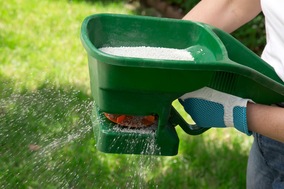
Overseeding is the process of spreading grass seed over an existing lawn. It does not mean starting over from bare dirt. Instead, it adds new grass growth to help thicken the lawn and improve its overall appearance.
After winter, some areas may look thin, faded, or patchy. This can happen from snow mold, pet activity, drought stress from the previous year, or normal wear and tear. Overseeding helps fill those spaces so weeds have less room to move in.
A thicker lawn also looks healthier and can be easier to maintain. When grass grows dense, it shades the soil, helps retain moisture, and creates a more even surface. Overseeding can be especially helpful for older lawns that have lost density over time.
You may need overseeding if your lawn has bare spots, thin areas, uneven color, or visible patches where grass is not filling in. It can also be a good choice if the lawn looks sparse after spring cleanup.
Aeration vs. Overseeding: Which One Does Your Lawn Need?
The easiest way to think about it is this: aeration improves the soil, and overseeding improves grass density.
If your lawn is compacted but still has decent coverage, lawn aeration may be the main service you need. The goal is to loosen the soil and help existing grass roots grow deeper. This can make watering and fertilization more effective.
If your soil is in decent shape but the lawn looks thin or patchy, overseeding may be the better focus. The goal is to grow new grass in weak areas and make the lawn fuller.
Many lawns benefit from both. In fact, aeration and overseeding often work well together because the aeration holes create better seed-to-soil contact. Grass seed needs contact with soil to germinate. When seed falls into those small aeration openings, it has a better chance of settling in and growing.
For a lawn coming out of a tough winter, combining both services can be a practical way to support recovery from the ground up.
When Should You Aerate or Overseed After Winter?
Spring can be a good time to evaluate your lawn, especially once the grass begins actively growing. The exact timing depends on weather, soil moisture, and the condition of your yard. Soil should not be frozen or overly muddy. It should be moist enough for aeration equipment to pull clean plugs.
In Fort Collins, spring weather can change quickly. A warm week may be followed by snow or a cold snap. That is why it helps to work with a local lawn care provider that understands Northern Colorado conditions and can recommend timing based on the actual season, not just the calendar.
Some lawns may also benefit from fall aeration, especially if they see heavy use through summer. But if winter has left your lawn compacted or thin, spring is a good time to start planning.
What Results Should You Expect?
Lawn aeration does not create an instant green lawn overnight. It supports healthier growth by improving the conditions below the surface. You may notice better water absorption, stronger growth, and a lawn that responds better to fertilization and regular care.
Overseeding also takes time. New grass needs moisture, proper seed contact, and steady care while it germinates. You may need to adjust mowing and watering while the new seed gets established.
The best results usually come from matching the service to the lawn’s actual condition. A thin lawn with compacted soil needs a different approach than a thick lawn with a few dry patches. Looking closely at the soil, traffic areas, bare spots, and overall grass density can help you decide what makes sense.
Get Help With Lawn Aeration in Fort Collins
Siesta Lawn Care provides lawn aeration, mowing, fertilization, yard cleanups, and other lawn care services in Fort Collins, Windsor, and nearby Northern Colorado communities. With over 20 years of local lawn care experience, our team understands the soil, seasons, and lawn challenges that come with living here.
If your lawn looks compacted, thin, or slow to recover after winter, we can help you decide whether lawn aeration, overseeding, or a combination of services is the right next step. Contact Siesta Lawn Care to request a free quote and get clear, quote-based pricing for your lawn.